
Categories
Living in Las Vegas, Moving to Las VegasPublished June 9, 2026
Cost of Living in Las Vegas (2026): What It Really Costs to Live Here


Cost of Living in Las Vegas (2026): What It Really Costs to Live Here

If you're thinking about moving to Las Vegas, one of the biggest questions you probably have is:
"What does it actually cost to live there?"
And that's a fair question.
Depending on where you're moving from, Las Vegas can feel either incredibly affordable or surprisingly expensive.
I've lived in Las Vegas since 2007 and have helped more than 100 families buy and sell homes throughout the Las Vegas Valley. During that time, I've worked with people relocating from California, Washington, Texas, Illinois, New York, and many other states.
One thing I've learned is that "affordable" means something different to everyone.
Someone moving from San Francisco often feels like Las Vegas is a bargain. Someone moving from a small Midwestern town may feel the exact opposite.
So let's take an honest look at the real cost of living in Las Vegas in 2026, including housing, utilities, transportation, food, entertainment, taxes, and some of the hidden expenses that catch people off guard.
Housing Costs in Las Vegas
For most households, housing will be the largest monthly expense.
As of 2026, the median home price in Las Vegas is approximately $440,000.
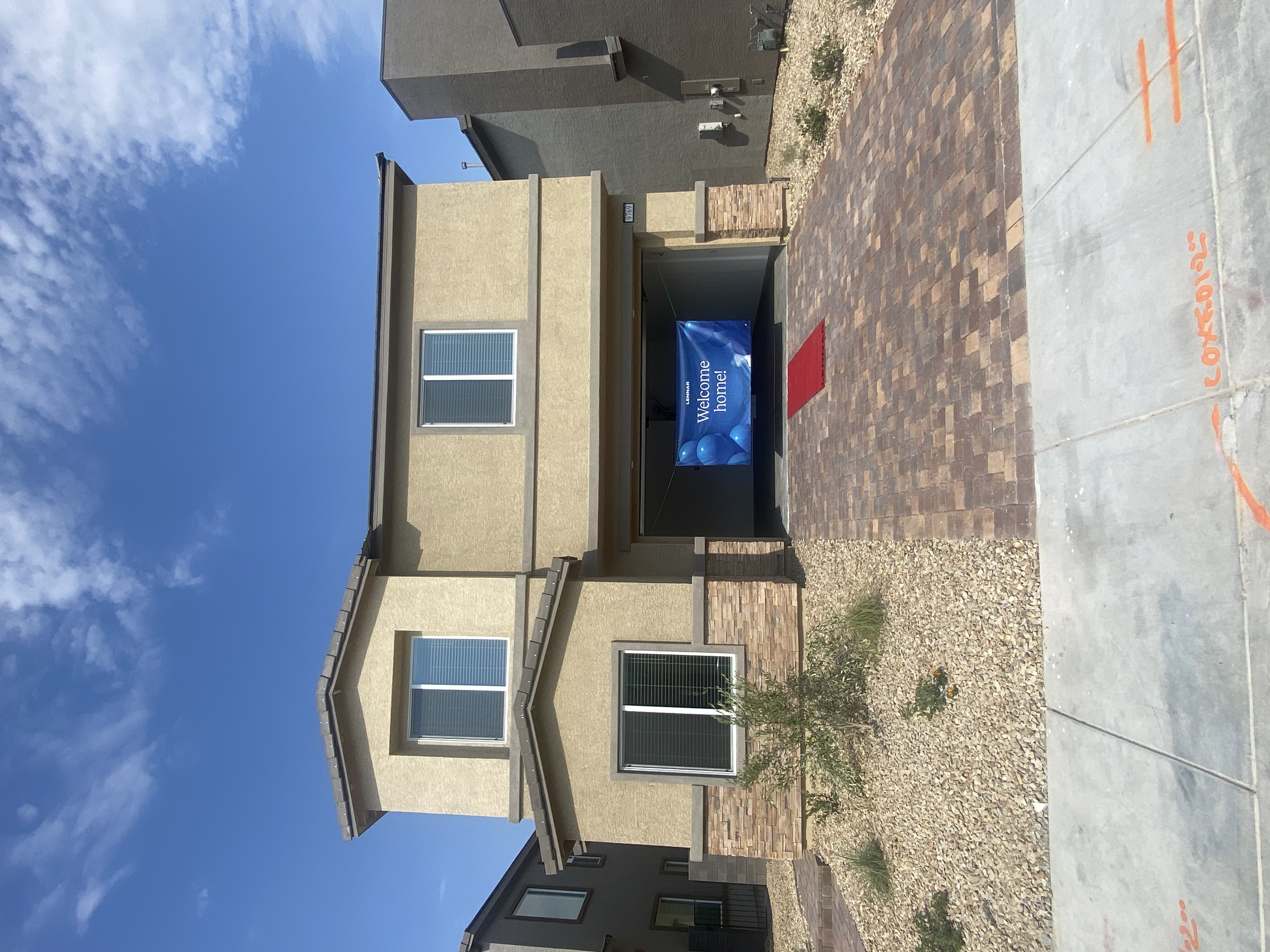
Whether that feels affordable depends largely on where you're moving from.
Compare Las Vegas to some major West Coast cities:
- Los Angeles: Approximately $1.05 million
- San Diego: Approximately $1 million
- Seattle: Approximately $850,000
- San Francisco: Approximately $1.4 million
When buyers from California see these numbers, they're often shocked by how much more home they can purchase in Las Vegas.
I recently worked with a client who originally planned to rent before buying. After comparing rental costs and home prices between California and Las Vegas, he ended up purchasing a townhome almost immediately because he realized his money stretched significantly further here.
That's a conversation I have frequently.
Now, if you're moving from a lower-cost area of the country, Las Vegas may not feel inexpensive.
The reality is that home prices have increased dramatically over the past decade.
Las Vegas is no longer the hidden bargain it once was.
However, compared to many major metropolitan areas, it still offers strong value.
If you're still deciding whether Las Vegas is the right fit overall, be sure to read my guide on the Pros and Cons of Living in Las Vegas.
Thinking About Moving to Las Vegas?
I've lived in Las Vegas since 2007 and have helped more than 100 families buy and sell homes throughout the valley.
If you're considering relocating and want honest advice about neighborhoods, commute times, schools, home prices, or the buying process, I'd be happy to help.
Schedule a Free Moving to Las Vegas Consultation
During this free consultation we'll discuss your goals, timeline, budget, and the areas of Las Vegas that may be the best fit for your lifestyle.
Renting in Las Vegas
Not everyone moving to Las Vegas is ready to buy immediately.
Many people choose to rent first while they explore different parts of the valley.
As of 2026, the median listed rent in Las Vegas is approximately $2,070 per month.
Rental prices vary significantly based on:
- Location
- Home size
- Age of property
- Community amenities
- School districts
For example, a luxury apartment in Summerlin will typically command a much higher rent than an older apartment in another part of town.
The good news is that Las Vegas generally remains more affordable than many California rental markets.
The challenge is that rental prices have increased substantially compared to where they were just a few years ago.
Utility Costs in Las Vegas
This is one area where people are often surprised.
Las Vegas summers are hot.
Really hot.
Temperatures above 100 degrees are common during the summer months, and days exceeding 110 degrees happen every year.
That means your air conditioner works hard.
As a result, electric bills during July and August can be significant.
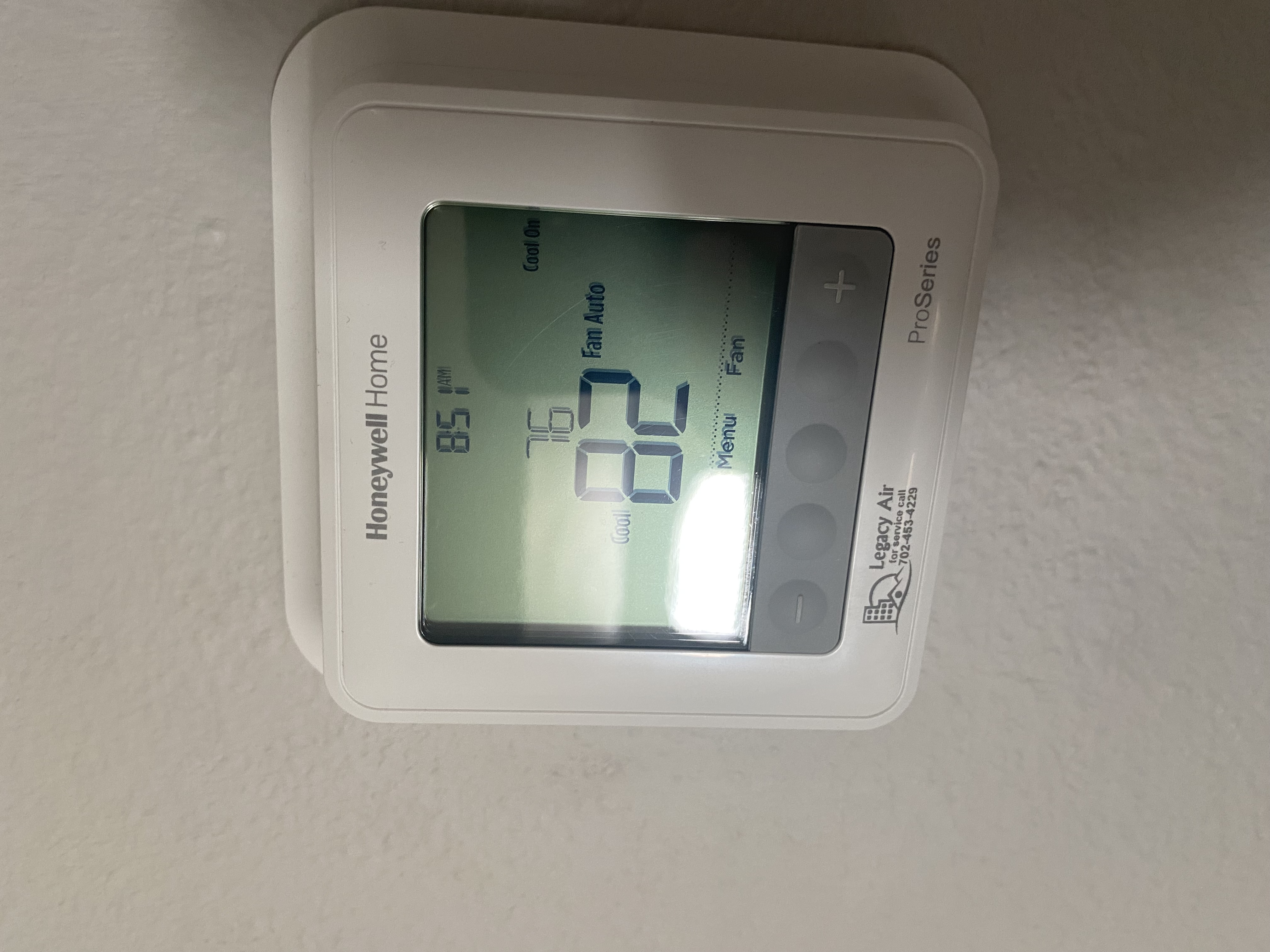
The good news is that most homes in Las Vegas are built with desert living in mind.
Newer homes are generally more energy efficient and better insulated than older properties.
The other piece of good news?
Winter utility bills are often much lower than what many people are accustomed to in colder climates.
You won't be dealing with:
- Heating oil
- Snow removal
- Frozen pipes
- Extended heating seasons
Like many things in Las Vegas, utility costs involve tradeoffs.
Higher summer electric bills are often offset by lower winter expenses.
Transportation Costs
One of the most underrated benefits of living in Las Vegas is how easy it is to get around.
Most residents can reach almost any destination within the valley in about 20 to 30 minutes.
For people relocating from cities like Los Angeles, Seattle, Chicago, or New York, this can feel life-changing.
Less time commuting often means:
- Lower fuel costs
- Less wear and tear on your vehicle
- Better quality of life
Gas prices fluctuate, but overall transportation costs tend to be manageable.
There is one major exception.
Auto insurance.
If you've watched my Pros and Cons video, you've already heard me complain about this one.
Auto insurance in Nevada can be surprisingly expensive.
I've had multiple clients move here expecting to save money only to be shocked by their first insurance bill.
It's not usually a deal breaker.
But it is something worth researching before making the move.
Food Costs
Food expenses in Las Vegas can vary dramatically depending on your lifestyle.
One of the biggest misconceptions about Las Vegas is that everything is expensive.
That's simply not true.
Can you spend hundreds of dollars on dinner?
Absolutely.
Can you also find incredible meals at affordable prices?
Without question.
One of the things I love most about living here is the variety.
Las Vegas offers:
- Local family-owned restaurants
- International cuisine
- Food halls
- Casual dining
- Fine dining
- Celebrity chef restaurants
Some of my favorite restaurants in the valley are small businesses that many tourists never discover.
You don't need a luxury budget to enjoy the food scene.
In fact, many locals rarely eat on the Strip at all.
Groceries generally align with what you'd expect from a major metropolitan area and can vary based on shopping habits and household size.
Entertainment Costs
This category is entirely up to you.
Las Vegas can be one of the most affordable cities in the country to enjoy—or one of the most expensive.
You can spend:
- Hundreds of dollars attending concerts
- Hundreds more on sporting events
- Premium prices for shows and experiences
Or...
You can spend next to nothing.
Some of my favorite activities include:
- Hiking Red Rock Canyon
- Exploring Mount Charleston
- Visiting local parks
- Walking Downtown Summerlin
- Exploring community events
The beauty of Las Vegas is that there are options for almost every budget.
Entertainment isn't something that's forced upon you.
It's something you choose.

Taxes in Nevada
This is one of the biggest financial advantages of living in Las Vegas.
Nevada has no state income tax.
For many households, this creates meaningful savings.
I've worked with clients who specifically relocated because of the tax benefits associated with Nevada residency.
In addition to no state income tax, Nevada also benefits from relatively low property taxes compared to many other major metropolitan areas.
Taxes aren't everything.
But they're absolutely part of the overall financial equation.
For many families, these savings help offset other costs associated with living in Las Vegas.
Hidden Costs People Don't Think About
Whenever someone asks me about the cost of living in Las Vegas, I always mention the expenses that don't make the headlines.
These include:
Auto Insurance
Often higher than expected.
Summer Electric Bills
Especially during July and August.
HOA Fees
Many Las Vegas communities have homeowners associations.
Monthly fees can vary significantly.
Home Maintenance
Desert living creates unique maintenance considerations including landscaping, irrigation systems, and air conditioning maintenance.
None of these costs are deal breakers.
They're simply things you should understand before making a move.
The more informed you are, the fewer surprises you'll encounter.
So, Is Las Vegas Affordable?
The answer depends on what you're comparing it to.
Compared to Los Angeles?
Absolutely.
Compared to San Francisco?
Not even close.
Compared to many Midwestern cities?
Maybe not.
What I can tell you after living here since 2007 is this:
Las Vegas offers a lifestyle that many people find difficult to replicate elsewhere.
You get:
- No state income tax
- World-class entertainment
- Outdoor recreation
- Access to California, Utah, and Arizona
- A growing economy
- Housing that remains more affordable than many West Coast cities
For the right person, that's a compelling package.
Frequently Asked Questions
Is Las Vegas cheaper than California?
In most cases, yes. Housing prices, property taxes, and the absence of state income tax often make Las Vegas significantly less expensive than many California markets.
What salary do you need to live comfortably in Las Vegas?
That depends on your lifestyle, family size, and housing situation. Many households find they can maintain a comfortable lifestyle on less income than would be required in major West Coast cities.
Are utilities expensive in Las Vegas?
Summer electric bills can be high due to air conditioning usage. However, winter utility costs are often much lower than in colder climates.
Is Las Vegas affordable for retirees?
Many retirees choose Las Vegas because of the warm climate, tax advantages, entertainment options, and relatively affordable housing compared to many retirement destinations.
Why are people moving to Las Vegas?
Common reasons include lower taxes, housing affordability, entertainment, outdoor recreation, business opportunities, and proximity to Southern California.
Is Las Vegas a good place to buy a home?
For many buyers, yes. Las Vegas continues to offer more home for the money than many West Coast markets while benefiting from strong population and economic growth.
Final Thoughts
Once you've determined that the budget works for you, the next step is deciding where you want to live.
Every part of Las Vegas offers a different lifestyle, price point, and personality. If you're trying to narrow down your options, be sure to read my guide to the Best Master-Planned Communities in Las Vegas. It covers some of the most popular communities in the valley and can help you determine which areas may be the best fit for your lifestyle.
If you'd like personalized advice about neighborhoods, home prices, schools, or relocation planning, I'd be happy to help.
After all, helping people make informed decisions about moving to Las Vegas is exactly what I do.
or another way